
Surfaces Designed for Year-Round Exposure
Tile Roofing in Orange for homes requiring long-lasting weather resistance and premium curb appeal in coastal climates
Concrete and clay tile roofs handle Orange County's sun intensity and temperature swings differently than other roofing materials, making them particularly suitable for Mediterranean and Spanish-style architecture common across the region. Weatherline ReRoofing & Repairs installs and repairs both concrete and clay tile systems, addressing everything from full replacements to individual tile repairs caused by foot traffic or debris impact. Tile roofs typically outlast asphalt systems by decades when properly maintained, though the underlayment and flashing components require periodic inspection since they wear faster than the tile itself.
Installation involves securing tile to battens or directly to underlayment using methods appropriate for the roof pitch and tile profile, with special attention to hip and ridge details where wind uplift concentrates. Clay tiles offer superior color retention because the pigment runs through the entire material rather than being surface-applied, while concrete tiles provide more profile options and typically cost less per square foot. Both materials require structural evaluation before installation since tile weighs significantly more than asphalt shingles.
Arrange an on-site evaluation to determine whether your roof framing can support tile and discuss profile options that match your home's architecture.
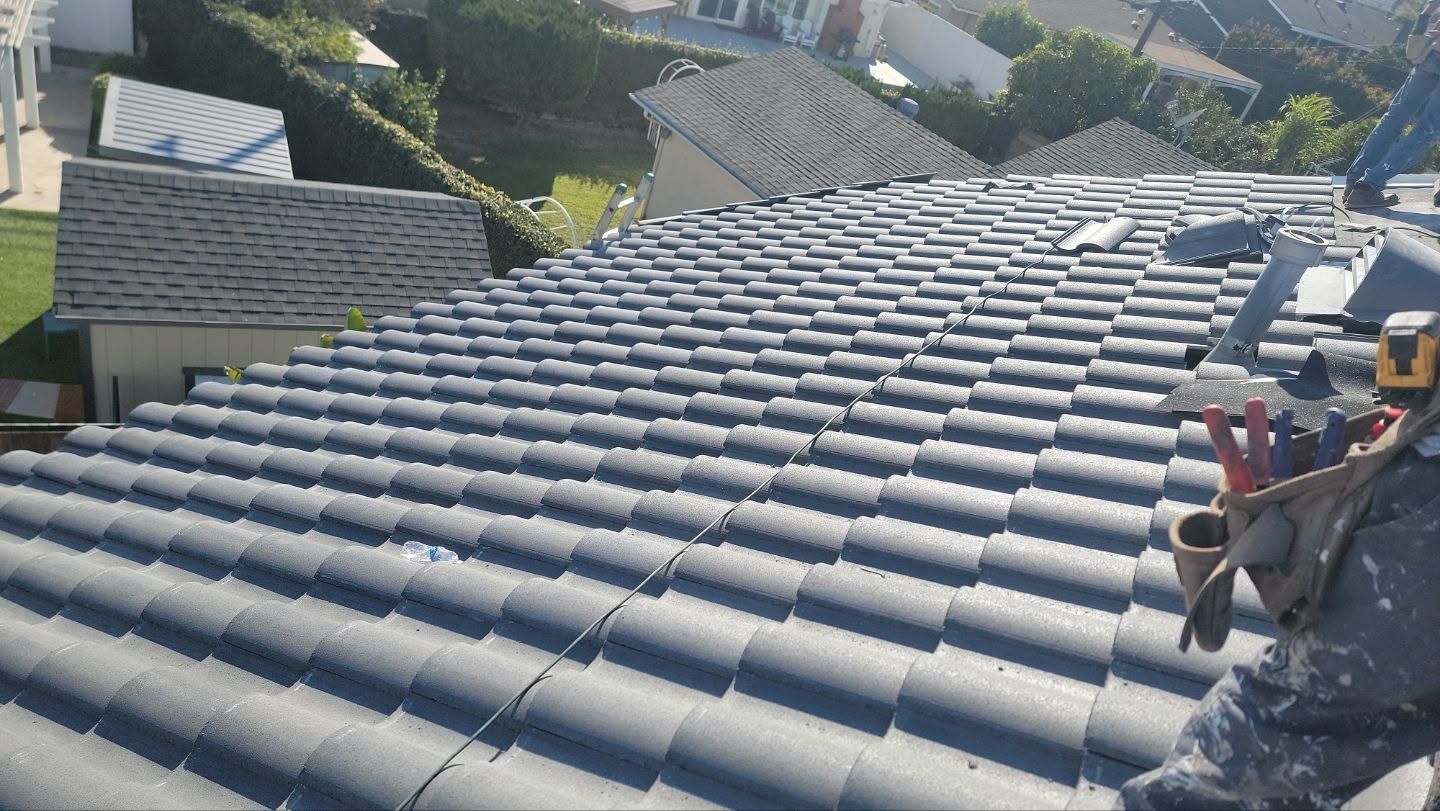
What You Notice Once Tile Installation Completes
Tile roofing transforms how a home looks and how it responds to weather, with thermal mass that moderates attic temperature swings and a profile that creates distinctive shadow lines across the roof surface. The installation process includes verifying rafter spacing and sheathing thickness, since tile loads concentrate differently than lighter roofing materials and can cause sagging in undersized framing members. Proper tile installation also addresses ventilation requirements, as the air space beneath tile helps exhaust heat and moisture that would otherwise accelerate underlayment deterioration.
Once the work finishes, you'll see uniform courses with consistent reveal, sealed ridge caps that prevent wind-driven rain entry, and flashing integrated at valleys and penetrations. The roof sheds water quickly due to tile's impermeable surface, and debris slides off more easily than it does on textured shingle surfaces. Tile roofs also resist algae growth and organic staining better than asphalt products, which reduces maintenance in coastal humidity zones where biological growth becomes visible on other roofing materials.
Tile roofing systems require different repair approaches than shingle roofs—individual tiles can be lifted and replaced without disturbing surrounding areas, but walking on tile demands care to prevent cracking. Regular inspections focus on underlayment condition and flashing integrity rather than tile deterioration, since properly installed clay or concrete tiles rarely fail from weather exposure alone. Understanding these maintenance differences helps homeowners preserve the system's longevity and address small issues before they compromise the underlayment.
Common Questions About This Service
Property owners considering tile roofing in Orange typically want to know about structural requirements, repair costs, and how tile performance compares to other premium roofing options.
What structural modifications does tile roofing require?
Most homes built after 1970 in Orange County include framing adequate for tile loads, but older homes may need rafter reinforcement or sheathing upgrades to meet current code requirements for the additional weight.
How do concrete and clay tiles differ in performance?
Clay tiles maintain color longer because pigment extends through the material, while concrete tiles offer more profile shapes and typically cost twenty to thirty percent less, though both materials provide comparable weather resistance and lifespan.
What causes tile roofs to leak if the tiles last for decades?
Leaks usually originate from deteriorated underlayment or failed flashing rather than tile damage, which is why inspections focus on these components even when the tile itself appears intact.
When should damaged tiles be replaced rather than repaired?
Cracked or broken tiles should be replaced promptly to prevent water from reaching the underlayment, though small chips at tile edges rarely compromise weather protection and can often be left alone.
How does tile roofing affect cooling costs in Orange's climate?
Tile's thermal mass and the ventilation space beneath it reduce heat transfer into the attic compared to asphalt shingles, which can lower cooling costs by fifteen to twenty percent during summer months.
Weatherline ReRoofing & Repairs provides structural assessments and tile system recommendations based on your home's framing and architectural style. Schedule a consultation to review tile options and discuss long-term maintenance requirements for your specific installation.