Systems Designed for Decades of Protection
New Roof Installation in Orange for newly constructed homes requiring code-compliant weatherproofing
New construction presents the opportunity to install a roofing system on a clean deck without the complications of tear-off work or integration with aged components. Weatherline ReRoofing & Repairs installs asphalt shingle, tile, and flat roofing systems on residential projects where builders need reliable partners who understand scheduling constraints and inspection requirements. The work involves coordinating with framing timelines, ensuring proper ventilation design before any surface material goes down, and meeting California's Title 24 energy standards that affect underlayment and attic airflow configuration.
Installation begins once the roof deck is complete and dry-in protection is needed to secure the structure against weather exposure during the remaining construction phases. Orange County building departments require specific attachment patterns for high-wind zones, and inspections verify that fastener spacing, flashing details, and underlayment overlap meet code before the project can advance. New installations also incorporate updated ventilation standards that weren't required when older homes were built, preventing heat and moisture accumulation that shortens roof life.
Arrange a consultation during the planning phase to discuss material options and confirm that installation timing aligns with your construction schedule.
What Proper Installation Requires from Start to Finish
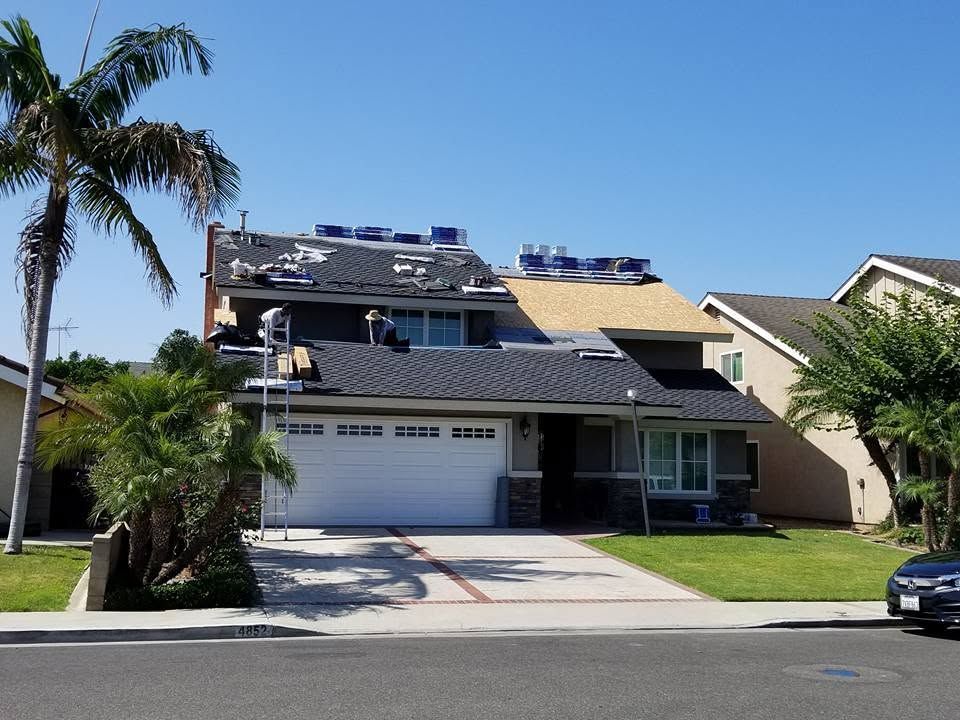
The installation process starts with underlayment that covers the entire deck in overlapping layers, creating a secondary water barrier before shingles or tiles are applied. Valleys get reinforced with additional waterproofing since these low points concentrate runoff from multiple roof planes. Flashing installation happens concurrently with roofing material placement, ensuring that metal components integrate with each course rather than being added afterward as an afterthought.
Weatherline ReRoofing & Repairs follows manufacturer specifications for fastener placement and exposure, which determines how much of each shingle remains visible and affects wind resistance. Once installation is finished, the roof sheds water efficiently without allowing moisture to migrate under edges or through penetrations, attic spaces maintain appropriate ventilation that prevents heat buildup, and the system passes final inspection without requiring corrections. The difference between a properly installed roof and one with shortcuts shows up years later, when well-executed work remains watertight while compromised systems start failing at integration points.
Material selection affects installation complexity and long-term performance—tile systems require heavier structural support and take longer to install than asphalt shingles, but they handle Orange County's UV exposure with less degradation over time. Flat roofing systems used on portions of some residential designs need different waterproofing approaches than sloped sections, often involving membrane materials rather than overlapping shingles.
Answers to Questions About New Construction Roofing
Builders and homeowners working on new projects often need clarity on installation standards and coordination with other construction phases.
What roofing materials work best for new homes in Orange?
Asphalt shingles offer cost-effective protection with straightforward installation, while tile systems provide longer service life and better resistance to UV degradation common in Southern California's climate, though they require engineered roof framing to handle the additional weight.
How does roofing installation fit into the construction timeline?
Roofing typically happens after framing and sheathing are complete but before interior finish work begins, allowing the structure to be weather-protected while other trades work inside without risk of water damage.
What building code requirements apply to new roofs?
California requires specific wind uplift ratings, fire classifications, and ventilation standards that vary by location and roof pitch, with inspections verifying compliance before the installation can be signed off.
Why does ventilation matter in a new roof?
Proper attic ventilation prevents heat accumulation that degrades roofing materials from below and causes moisture condensation that rots decking, with balanced intake and exhaust airflow being critical to long-term system performance.
How long does new roof installation take?
Installation duration depends on roof complexity, material type, and weather conditions, with straightforward asphalt shingle projects on simple roof planes progressing faster than tile installations on multi-level designs with numerous valleys and penetrations.
Weatherline ReRoofing & Repairs coordinates with builders to meet project deadlines and ensure that roofing work doesn't delay subsequent phases. Schedule a planning meeting to review material options and confirm installation timing that keeps your construction on track.