Repairs That Stop Leaks Before They Spread
Roof Repair in Orange for active leaks, missing shingles, or damaged flashing after storms
When water stains appear on your ceiling after rain or when you notice shingles missing from your roof after high winds, the damage is already allowing moisture into spaces where it degrades insulation and framing. Weatherline ReRoofing & Repairs addresses these issues with targeted repairs that restore weatherproofing without requiring full replacement. The service matters most for homeowners dealing with isolated problems—a small leak around a chimney, a section of damaged shingles along one slope, or flashing that's pulled away from a wall intersection—where the rest of the roof remains structurally sound.
Repair work begins with leak detection that traces water entry points back to their source, which often sits several feet upslope from where stains appear inside. Orange's occasional heavy winter rains expose vulnerabilities at valley intersections and around roof penetrations where sealants have dried out or where fasteners have worked loose over time. The crew removes damaged material, replaces it with matching components, and reseals joints to prevent further intrusion.
Request a detailed inspection to identify the origin of leaks and determine what's required to stop water from reaching interior spaces.
How Targeted Repairs Restore Weatherproofing
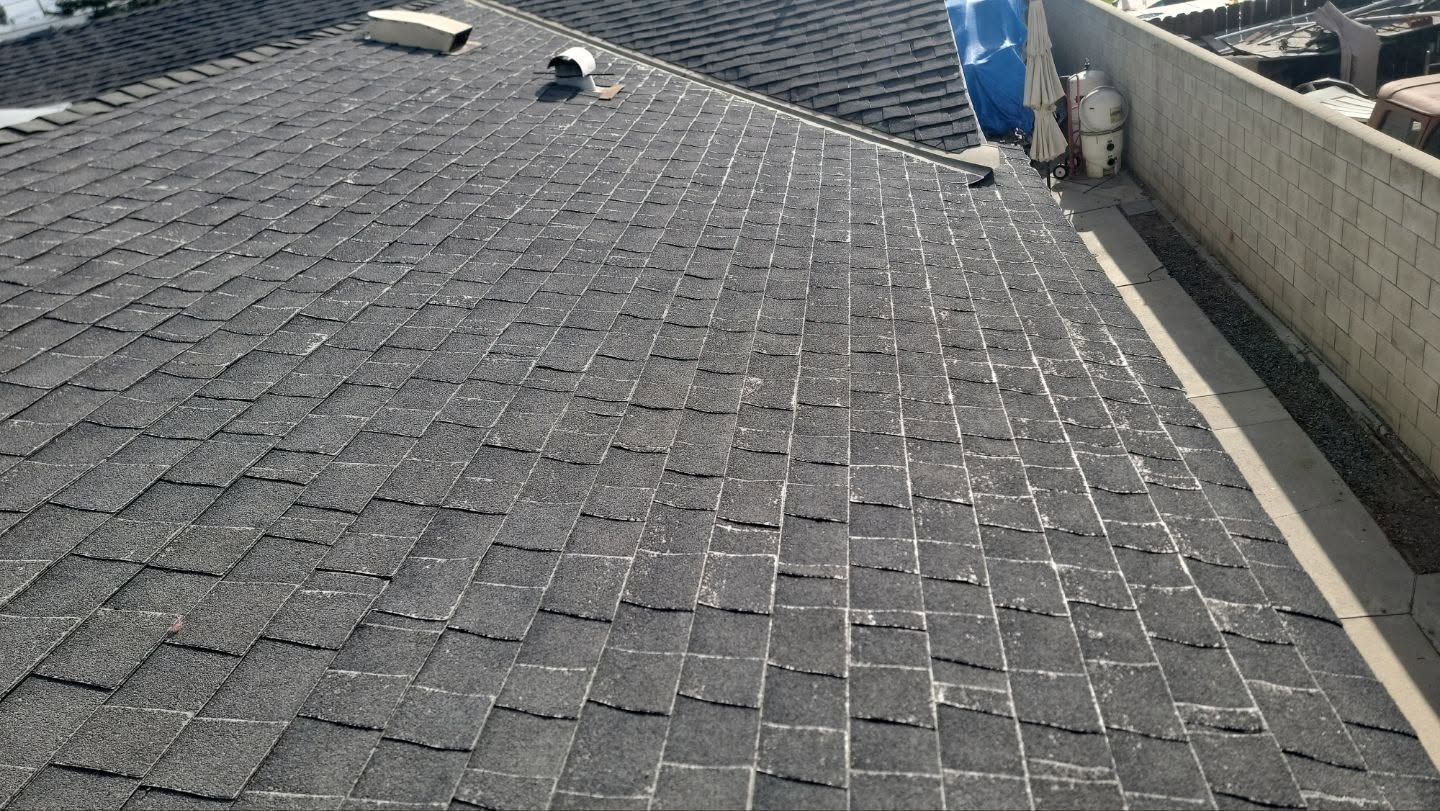
The repair process involves removing compromised shingles or tiles, examining the underlayment beneath for saturation or tearing, and replacing any components that no longer create a continuous barrier. Flashing repairs often require lifting adjacent roofing material to access the metal pieces that channel water away from vulnerable transitions. When sealant failure is the issue, old caulk gets scraped away completely before new material goes down, since layering new sealant over degraded product doesn't create a reliable bond.
After repairs are complete, water runs off the roof surface without pooling in low spots or seeping under edges where materials meet walls or chimneys. Ceiling stains stop growing, attic spaces stay dry during storms, and the musty smell that often accompanies hidden moisture disappears as affected areas dry out. Properly executed repairs prevent small problems from escalating into structural damage that eventually forces full replacement.
Timing matters with repair work—addressing leaks immediately prevents secondary damage to ceiling drywall, insulation, and framing that multiplies repair costs. Storm damage repairs often involve coordination with insurance adjusters who document the extent of wind or hail impact before work proceeds.
Common Concerns About Roof Repair Work
Homeowners frequently ask about the scope and durability of repair work, especially when trying to decide between fixing current problems and planning for eventual replacement.
What's involved in finding a roof leak?
Leak detection requires examining the roof surface upslope from interior stains, checking flashing around penetrations, and sometimes using water tests to trace the exact entry point, since water often travels along rafters before dripping into visible areas.
How long do roof repairs typically last?
Repairs using materials that match the existing roof system and properly integrate with surrounding components generally last as long as the roof itself, provided the underlying structure remains sound and the overall system hasn't reached the end of its service life.
Can missing shingles be replaced individually?
Individual shingle replacement works well when damage is localized and matching materials are available, though color variation between aged and new shingles may be visible depending on how much the original installation has weathered.
When does repair work require permits in Orange?
Minor repairs that don't alter the roof structure typically don't trigger permit requirements, but any work involving structural changes to support or decking does require approval and inspection to meet building codes.
What causes flashing to fail?
Thermal expansion and contraction, corrosion from moisture exposure, and improper installation all contribute to flashing failure, with joints and fastener penetrations being the most common leak points once metal components degrade.
Weatherline ReRoofing & Repairs provides storm damage assessments that document conditions for insurance claims and help you understand whether current issues warrant immediate attention. Contact the office to arrange an evaluation that identifies specific failure points and outlines repair options based on your roof's overall condition.